The Story
ONIV Chenin Blanc began as a dream long before Collectible Vintage itself was established. It started with a simple thought: what would it take to bottle a wine under my own label?
If I was going to create a wine of my own, the first question was which grape variety made the most sense. Chenin Blanc was the obvious choice. Arguably South Africa’s signature white grape, it is also one of the country’s most distinctive, versatile and consistently exciting varieties.
There was, however, one fairly significant challenge: I am not a winemaker. I don’t own a cellar, and I don’t have vineyards.
Then a longtime friend and highly respected winemaker, Ian Naudé, offered a piece of advice that ultimately set everything in motion. He simply said:
Gareth, you have so many connections in the wine industry. Use them. Approach the producers you respect and want to work with, ask them to spare you some wine, and from those components create something of your own.
That idea became the foundation of Collectible Vintage.
From the outset, there was one thing we were determined not to do. We didn’t want to buy an existing finished wine and simply put our label on the bottle. If ONIV was going to carry the Collectible Vintage name, we wanted to leave our own footprint on the wine. It needed to be created through collaboration—working with winemakers and estates we respected, tasting individual components, experimenting with proportions and ultimately building a blend that had its own identity.
Through that process, the first ONIV Chenin Blanc was born. Just 1,200 bottles of the 2022 vintage were produced: a genuinely small-production wine created through relationships, collaboration and a shared passion for South African Chenin Blanc.
Following the success of the inaugural vintage, the 2023 ONIV was a natural next step. We wanted to continue working with the same winemakers and estates that had helped bring the original vision to life. As with any new vintage, however, the wines themselves told us where to go. After tasting the new components, slight adjustments were made to the percentages in the blend, allowing the character of the 2023 vintage to shine while retaining the style and identity established by the first release.
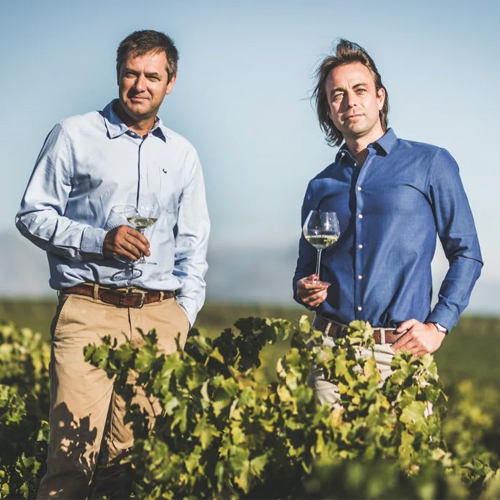
The result was 2023 Collectible Vintage ONIV Chenin Blanc, created once again through collaboration and ultimately blended and bottled at Kaapzicht Wine Estate.
The Final Blend
Kaapzicht · Stellenrust
The Producers
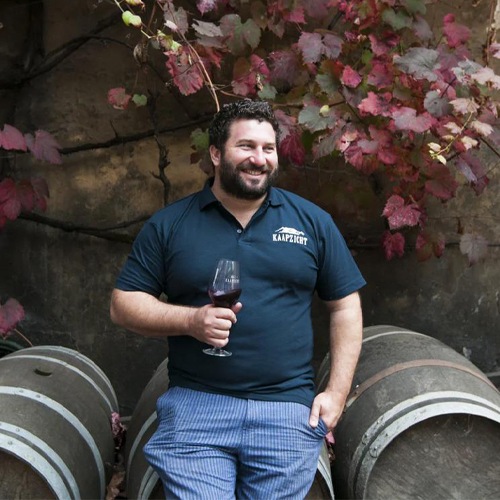
Kaapzicht Wine Estate · Bottelary Hills
Danie Steytler
Set among the rolling Bottelary Hills of Stellenbosch, Kaapzicht is a fourth-generation family estate with an enduring connection to its land, its people and the traditions of South African wine. The Steytler family has farmed here since 1946, when Danie’s great-grandfather acquired the property, then known as Rozendal. The name Kaapzicht, meaning “Cape View”, reflects the estate’s remarkable outlook across the vineyards towards Cape Town, Table Mountain and the Atlantic Ocean.
Danie Steytler is the fourth generation of his family to make wine at Kaapzicht. After studying viticulture and oenology at Stellenbosch University, he broadened his experience through harvests in some of the world’s most respected wine regions, including Saint-Émilion, Piedmont, the Pfalz, Marlborough and Napa Valley. He returned to Kaapzicht in 2009, bringing an international perspective while remaining deeply committed to the identity and heritage of his family’s estate. Today, he is Kaapzicht’s owner and winemaker and a member of the Cape Winemakers Guild, following in the footsteps of his late father, Danie Steytler Snr.
Kaapzicht’s vineyards lie on ancient, granite-rich soils, with predominantly north-west-facing slopes providing generous sunlight. Cooling breezes from Table Bay and False Bay help moderate the warm conditions, preserving freshness and creating wines that combine concentration, structure and generosity with balance and precision. The estate is particularly recognised for Chenin Blanc, Cabernet Sauvignon and Pinotage, varieties that Danie believes are naturally suited to Bottelary and deeply expressive of Stellenbosch.
Among Kaapzicht’s most treasured sites is a Chenin Blanc vineyard planted by Danie’s great-grandfather in 1947. Now reduced to just over one hectare, it is the second-oldest surviving Chenin Blanc vineyard in South Africa and represents the extraordinary heritage that Danie has inherited and continues to protect. His winemaking respects this history without being constrained by it: traditional varieties and established vineyards are interpreted with a thoughtful, contemporary approach, allowing each wine to retain the warmth, character and unmistakable sense of place that define Kaapzicht.
“Wine is ultimately about people, family and the pleasure of sharing a bottle around a table.”
— Danie Steytler · Kaapzicht Wine Estate
For Danie, wine is ultimately about people, family and the pleasure of sharing a bottle around a table. His ambition is refreshingly uncomplicated: to produce authentic, characterful wines that remain true to their origins, and that people genuinely want to drink.
Stellenbosch University · 4th generation · Farming since 1946 · Cape Winemakers Guild
❧
Stellenrust · Bottelary Hills & Helderberg
Tertius Boshoff
Established in 1928, Stellenrust is one of Stellenbosch’s most enduring family-owned wine estates. Its vineyards extend across approximately 200 hectares in two distinctive parts of the region: the elevated slopes of the Bottelary Hills and the celebrated “Golden Triangle” near the Helderberg. Together, these sites provide a remarkable diversity of soils, aspects and climatic influences, allowing Stellenrust to produce wines that reflect the breadth and character of Stellenbosch.
At the heart of the estate is winemaker and cellarmaster Tertius Boshoff. Although initially pursuing a career in medicine and dentistry, Tertius remained deeply connected to the vineyards and winemaking traditions of his family. In 2005, he returned to Stellenrust alongside managing partner Kobie van der Westhuizen, beginning a new chapter of growth and renewal for the historic estate. Tertius brings an energetic and imaginative approach to winemaking, combining a respect for Stellenrust’s heritage with a willingness to explore new techniques and expressions.
The Bottelary Hills are particularly important to Stellenrust’s identity. Here, cooling afternoon breezes and decomposed granite soils create ideal conditions for Chenin Blanc, including a significant collection of mature, dry-farmed bush vines. These old vineyards produce naturally concentrated fruit while retaining freshness and acidity, giving Tertius the foundation for wines of depth, texture and unmistakable personality. Stellenrust has become especially renowned for Chenin Blanc, earning repeated international recognition for its interpretations of this historic South African variety.
“Allow the vineyard to lead, preserving the natural character of each site rather than disguising it.”
— Tertius Boshoff · Stellenrust
Tertius’s wines are generous and expressive, but always grounded in their origins. His approach allows the vineyard to lead, using thoughtful winemaking to preserve the natural character of each site rather than disguising it. Whether working with Chenin Blanc from old Bottelary bush vines or structured red varieties from the warmer Helderberg vineyards, he produces wines that balance richness with freshness and tradition with individuality.
Stellenrust represents both the heritage and the continuing evolution of Stellenbosch: deeply rooted in family, sustained by generations of vineyard knowledge and guided today by Tertius Boshoff’s creativity, determination and genuine love of wine.
Est. 1928 · ~200 hectares · Old Bottelary bush vines · Chenin Blanc specialist